
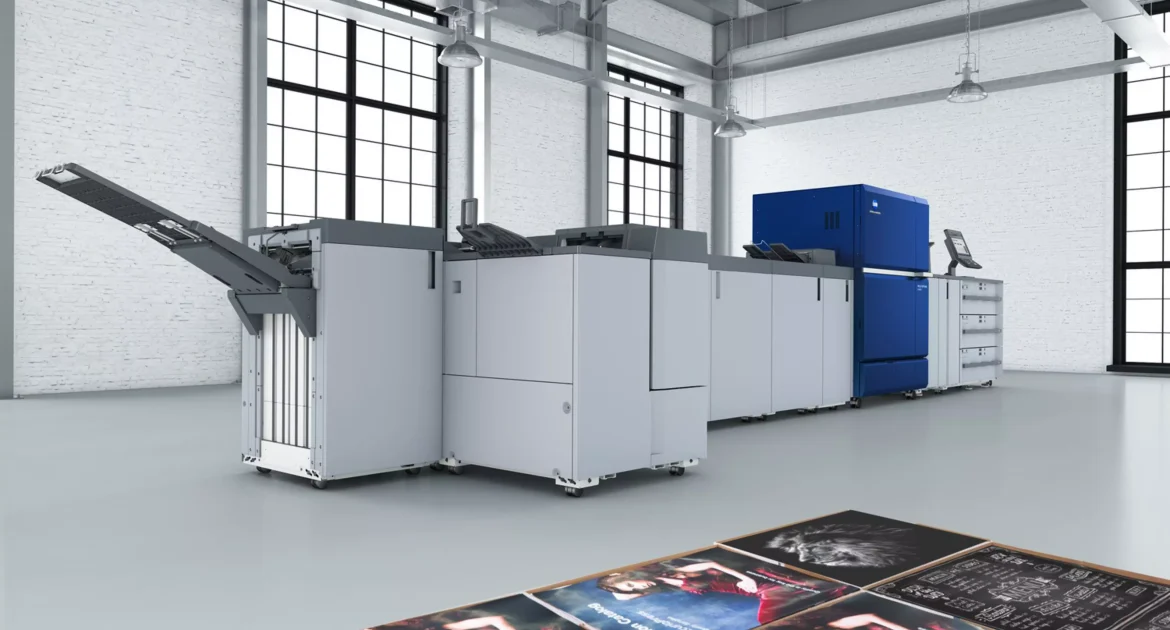
What is Digital Printing?
Digital printing is a printing method that directly transfers digital images onto various media substrates without the need for printing plates. Unlike offset printing, which requires time-consuming, labour- intensive plate preparation and setup, digital printing simplifies the process by using high-speed laser technology to produce high-quality prints quickly. This makes digital printing particularly useful for on-demand printing, variable data printing and small-batch production.
Why is Digital Printing Ideal for Short-Run Printing?
Short-run printing involves producing smaller quantities of materials, typically ranging from a dozen to a few thousand copies. Digital printing excels in this area, offering high customisation, quick turnaround times and cost-effective production without the need for traditional printing plates.
-
- Lower Setup Costs – With offset printing, you’ll need costly plates and skilled print specialists to complete the setup. Digital printing allows businesses to start printing faster and more cost effectively with user friendly digital machines.
-
- Faster Turnaround Times – Since there are no plates or drying times, digital print jobs can be completed quickly, making it ideal for time-sensitive materials such as event flyers, promotional brochures or seasonal packaging.
-
- High Customisation with Variable Data Printing – Businesses can personalise each print job by incorporating unique text or images for specific audiences. This is essential for targeted marketing campaigns, customer loyalty programs and limited-edition products.
- Reduced Waste – Digital printing enables businesses to print only the required quantity, eliminating excess inventory and minimising waste. This is particularly important for companies looking to reduce costs and support sustainable printing practices.
Addressing Industry Challenges with Digital Printing
The demand for short run print jobs is steadily increasing, fuelled by shorter product life cycles and market demands. For example, instead of refreshing products every 2 years where the production cycle is 3 months and the sales cycle is 21 months, B2C companies need to refresh products every year. This means the production cycle has been reduced to 1 month and the sales cycle to 11 months. Digital printing, with its versatility, speed and high-quality outputs is ready to meet this demand for faster production. Commercial printers facing the challenge of more printing jobs with tight print deadlines and smaller budgets can benefit from embracing digital printing.
Short Run Print Jobs, Completed Faster
Brands are launching new products at an unprecedented pace, leading to shorter product life cycles and an increased demand for digital print jobs. According to Harvard Business Review, faster product launches are essential to staying competitive, but they also require businesses to balance speed with quality and adaptability in their processes2. This means companies need agile solutions that can keep up with demand without compromising on output.
source : https://www.fujifilm.com/fbsg/en/insights/article/what-you-need-to-know-about-digital-printing



1 Comment
What a nice article. It keeps me reading more and more!